Introduction
Reverse osmosis vs Brita is one of the most common comparisons when choosing a home water filter.
Understanding the differences between reverse osmosis systems and Brita filters can help you decide which option is better for your home.
Table of Contents
What Is a Reverse Osmosis System?
Reverse osmosis (RO) is a multi-stage water filtration process that forces water through a semi-permeable membrane. This membrane removes a wide range of contaminants, including:
- heavy metals
- dissolved salts
- fluoride
- chlorine
- certain bacteria and chemicals
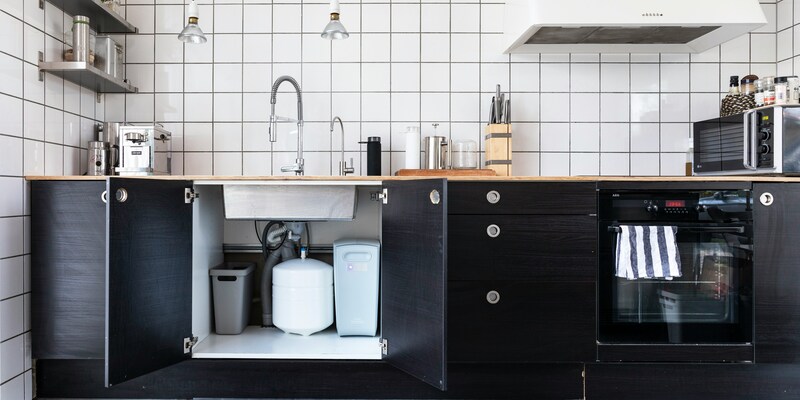
Reverse osmosis systems are typically installed under the sink and provide highly purified drinking water.
What Is a Brita Water Filter?
Brita filters are commonly used in water filter pitchers and faucet attachments. These systems use activated carbon filtration to reduce certain contaminants and improve the taste and odor of tap water.
Brita filters are designed mainly to reduce:
- chlorine
- some heavy metals
- substances that affect taste and smell
They are simple to use and do not require installation.
Filtration Performance
Reverse osmosis systems generally remove a wider range of contaminants compared with Brita filters. Because RO systems use a specialized membrane, they can remove many dissolved substances that carbon filters cannot.
Brita filters focus primarily on improving taste and reducing chlorine rather than removing as many contaminants.
Cost Comparison
Brita pitchers are usually much cheaper to purchase and require minimal setup. Replacement filters are also relatively inexpensive.
Reverse osmosis systems cost more initially and may require professional installation, but they provide more advanced filtration.
Maintenance
Brita filters usually require replacement every 2 to 3 months, depending on usage.
Reverse osmosis systems contain multiple filters that must be replaced periodically, and the RO membrane may last several years before needing replacement.
Key Differences Between Reverse Osmosis and Brita
The better option depends on your needs.
Brita filters are a good choice for households that want a simple and affordable way to improve water taste.
Reverse osmosis systems are often preferred for households that want more comprehensive filtration and removal of a wider range of contaminants.
Some homeowners also compare a reverse osmosis vs Brita filter when deciding which water filtration system to use.
Which One Should You Choose?
When deciding between reverse osmosis vs brita, it really comes down to your water quality and expectations. Reverse osmosis systems remove a wider range of contaminants, including heavy metals, fluoride, and dissolved solids, making them ideal for households with poor water quality. However, they are more expensive and require installation.
On the other hand, Brita filters are affordable, easy to use, and great for improving taste and removing chlorine. They are a good option if your water is already relatively safe but you want better-tasting drinking water.
If you’re choosing between reverse osmosis vs Brita, think about your priorities. If you want maximum purification, go with reverse osmosis. If you want convenience and low cost, Brita is a solid choice.
Another important factor when comparing reverse osmosis vs brita is long-term value. While reverse osmosis systems require a higher upfront investment, they can provide consistently high-quality water over time. Brita filters, while cheaper initially, require regular cartridge replacements, which can add up over the long term.
For many households, the decision comes down to balancing cost, convenience, and the level of filtration needed.
This helps you better understand reverse osmosis vs Brita before making a final decision.
Final Thoughts
When comparing reverse osmosis vs Brita, both systems can improve drinking water quality. Reverse osmosis systems generally provide more advanced filtration, while Brita filters offer a convenient and budget-friendly solution.
If you’re comparing filtration systems, our guide to the best water filter for home use explains the most effective options for improving household drinking water.
If you’re concerned about specific contaminants, you may also want to read our guide on whether water filters remove chlorine.