How often should you replace a water filter? Most household water filters need replacement every 2 to 12 months depending on the filter type and water usage. Replacing filters on schedule helps keep your drinking water clean, safe, and free from unwanted contaminants.
If a filter is not replaced on time, it can become less effective and may even allow contaminants to pass through. Understanding how often to replace a water filter helps ensure your drinking water remains safe and clean.
Replacement schedules vary depending on filter type, household water usage, and local water quality.
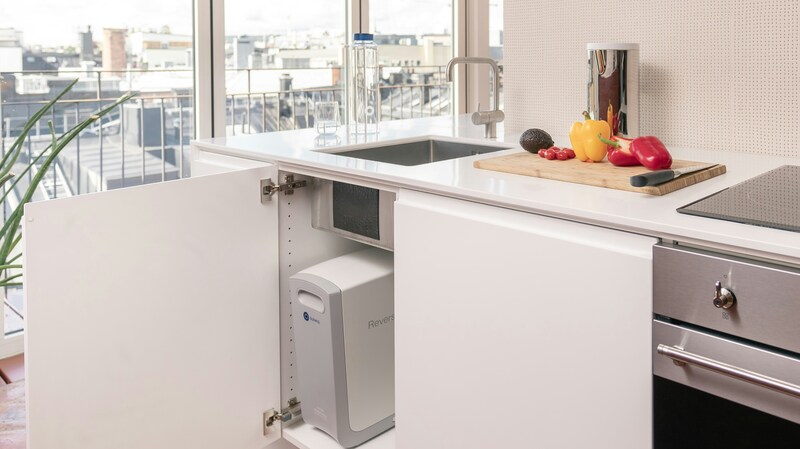
Table of Contents
Why Water Filters Need Replacement
Water filters work by trapping contaminants such as chlorine, sediment, and other impurities. Over time these contaminants build up inside the filter.
Once the filter becomes full, it can no longer effectively remove impurities from the water.
Replacing your filter regularly ensures the system continues to provide clean and safe drinking water.
How Often Should You Replace a Water Filter?
How often you should replace a water filter depends on the type of filtration system, your household water usage, and the quality of your local water supply.
Here are general guidelines for common household filters.
Pitcher Water Filters
Pitcher filters such as Brita typically need replacement every 2 months or about 40 gallons of water.
The Brita Large 10 Cup Pitcher is a popular household option for improving drinking water taste and reducing common contaminants.
If you want a simple pitcher option, this model fits the replacement schedule discussed above.
Faucet Water Filters
Faucet-mounted filters usually need replacement every 2–3 months.
Homes with heavier daily water usage may need to replace faucet filters more frequently to maintain strong filtration performance and water flow.
Refrigerator Water Filters
Refrigerator water filters are typically replaced every 6 months.
Many refrigerator models include a replacement indicator light, which can help remind homeowners when it is time to install a new filter cartridge.
Reverse Osmosis Filters
Reverse osmosis systems usually contain multiple filters that need replacement at different intervals.
Typical reverse osmosis replacement schedule:
- Pre-filters: every 6–12 months
- RO membrane: every 2–3 years
The APEC ROES-50 is a popular under-sink reverse osmosis system known for strong contaminant reduction and long-lasting filter performance.
If you want a stronger under-sink system, this model is a better fit for long-term home filtration.
Signs Your Water Filter Needs Replacement
Sometimes a filter may need replacement sooner than expected. Common signs include:
- Reduced water flow
- Unusual taste or odor
- Cloudy water
- Manufacturer replacement indicator
Why Regular Replacement Is Important
Replacing your filter on schedule ensures that your water filtration system continues working effectively.
Old filters may become clogged or lose their ability to remove contaminants properly.
Regular maintenance helps protect both your health and your filtration system.
Regular filter replacement can also help protect household appliances and plumbing fixtures from sediment buildup and reduced performance over time.
What Happens If You Don’t Replace a Water Filter?
If a water filter is left unchanged for too long, it may stop removing contaminants effectively. Overloaded filters can become clogged and reduce water flow.
In some cases, old filters may allow chlorine, sediment, or other impurities to pass back into the water. This can affect water taste, odor, and overall filtration performance.
Following the manufacturer’s replacement schedule helps maintain both water quality and the lifespan of your filtration system.
Tips to Make Water Filters Last Longer
You can help extend the life of your water filter by using clean source water whenever possible and following the manufacturer’s maintenance recommendations.
Simple habits such as cleaning filter housings, replacing cartridges on time, and avoiding excessive sediment buildup can improve filtration performance and help your system operate more efficiently.
Does Water Quality Affect Filter Lifespan?
Yes, local water quality can have a major impact on how often you should replace a water filter. Homes with hard water, high sediment levels, or heavy chlorine may require more frequent filter replacements.
If your household uses well water, filters may clog faster because of sediment, iron, or other naturally occurring contaminants. In these situations, checking filters regularly is especially important.
Following the manufacturer’s recommendations while also monitoring water taste, odor, and flow rate can help you determine the best replacement schedule for your specific system.
As a simple rule, replacement frequency depends on filter type, water quality, and daily household use.
You can also review official filter replacement recommendations from the EPA drinking water filtration guide.
Final Thoughts
Understanding how often you should replace a water filter is essential for maintaining clean and safe drinking water in your home.
If you’re comparing different filtration systems for your household, you can also explore our guide to the best water filters for home use.