Filtered water vs bottled water is a common comparison for households trying to improve drinking water quality. Both options provide cleaner water than untreated tap water, but they differ in cost, convenience, and environmental impact.
Understanding the differences between filtered water and bottled water can help you choose the best option for your home and long-term cost.
While bottled water is convenient, home filtration systems are often more affordable and environmentally friendly over time. The right choice depends on your budget, water quality, and daily household needs.
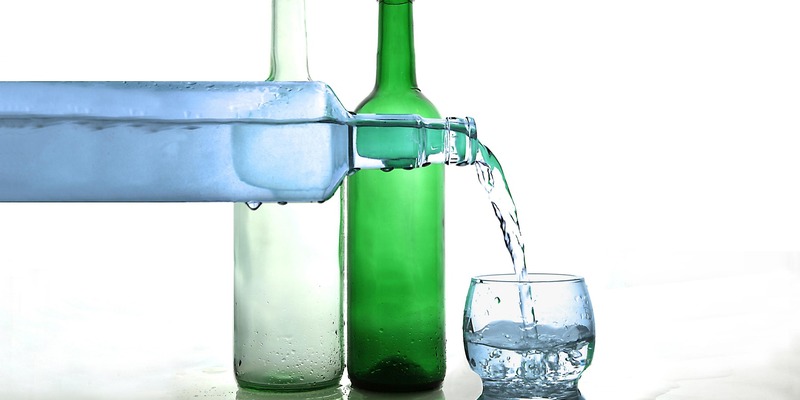
Table of Contents
What Is Filtered Water?
Filtered water is tap water that has passed through a filtration system designed to reduce contaminants and improve taste. Learn more about how different systems work in our guide to reverse osmosis vs carbon water filters.
Common filtration systems include:
- Water filter pitchers
- Under-sink carbon filters
- Reverse osmosis systems
- Whole-house filtration systems
These systems remove or reduce impurities such as chlorine, sediment, heavy metals, and certain chemicals.
✔ Trusted brand with thousands of positive reviews and proven performance.
What Is Bottled Water?
Bottled water is drinking water packaged in plastic or glass bottles and sold commercially, and is regulated in many countries (see bottled water regulations and sources). Some bottled water comes from natural springs, while other products are simply purified municipal water.
Many brands use additional filtration methods such as reverse osmosis or distillation before packaging the water. In some cases, this can make bottled water similar to filtered water.
Cost Comparison
One major difference in filtered water vs bottled water is long-term cost.
Bottled water can become expensive when purchased regularly, especially for households that drink large amounts of water each day.
Home filtration systems usually require an initial purchase and occasional filter replacement, but they are typically much cheaper over time.
Environmental Impact
Plastic waste is a major environmental concern associated with bottled water. Millions of plastic bottles are used every day, and many end up in landfills or oceans.
Using a home water filtration system can significantly reduce plastic waste because you can refill reusable bottles instead of buying single-use plastic containers.
Convenience and Availability
Bottled water is convenient because it is portable and widely available in stores. However, constantly purchasing and storing bottles can become inconvenient for many households.
Filtered water systems provide a continuous supply of drinking water directly from your tap, making filtered water a convenient alternative to bottled water.
Taste Differences
Both bottled water and filtered water can improve taste compared with untreated tap water. Filtration systems often remove chlorine and other substances that affect flavor.
Some people prefer the taste of certain bottled water brands, while others find that a home filtration system provides equally good or better tasting water.
Health and Safety Differences
When comparing filtered water vs bottled water, both options are generally safe to drink, but they are regulated differently. Tap water in many countries is tested regularly, and a good filtration system can remove common contaminants such as chlorine, lead, and sediment.
Bottled water is also regulated, but quality can vary depending on the source and brand. Some bottled water is simply filtered tap water, while others come from natural springs.
For many households, using a reliable water filter provides consistent water quality without the ongoing cost of bottled water.
Which Option Is More Cost-Effective?
When comparing filtered water vs bottled water, cost is one of the biggest deciding factors. Bottled water may seem inexpensive at first, but the cost adds up quickly when purchased daily or weekly.
Filtered water systems require an initial investment, but the long-term cost per liter is significantly lower.
For households looking to reduce costs and improve water quality, investing in a home filtration system is often the smartest long-term choice.
✔ One of the most popular reverse osmosis systems for long-term home use.
Final Thoughts
In the filtered water vs bottled water comparison, both options can provide safe drinking water, but filtration systems are often more cost-effective and environmentally friendly over time.
For most households, the decision comes down to long-term value, convenience, and environmental impact.
If you’re exploring filtration options for your home, our guide to the best water filter for home use explains the most effective systems for improving household water quality.