
Do water filters remove microplastics? This is a growing concern as more people become aware of tiny plastic particles in drinking water. Understanding which filters can reduce microplastics can help you choose a safer option for your home.
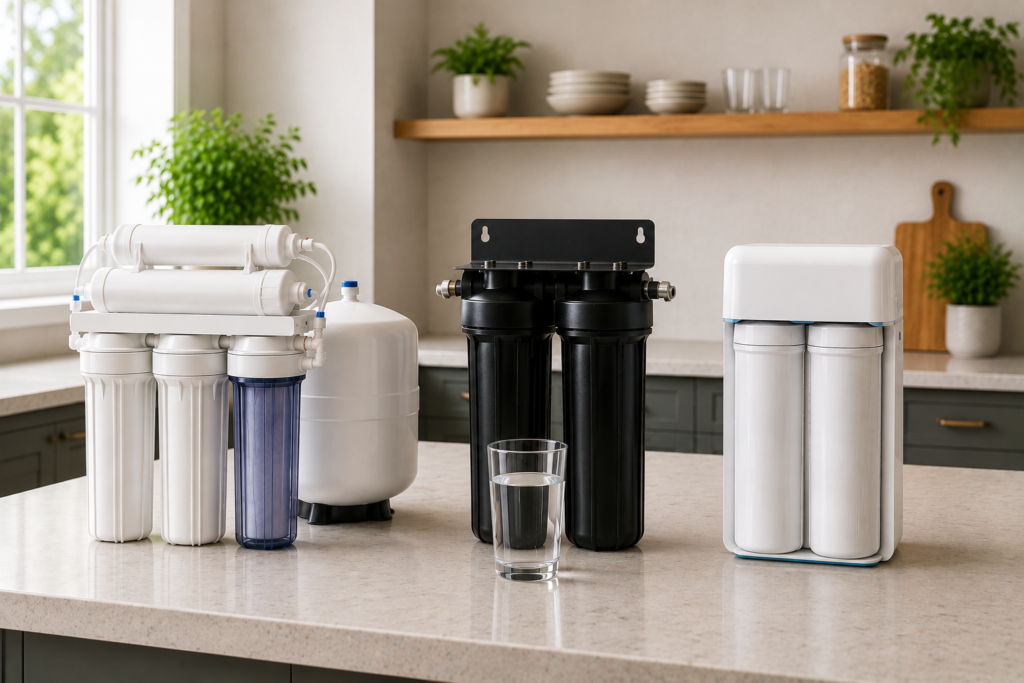
Table of Contents
What Are Microplastics?
Microplastics are extremely small pieces of plastic, usually less than five millimeters in size. Many people now ask do water filters remove microplastics because these particles can enter lakes, rivers, and even municipal water supplies through various forms of pollution.
Researchers have detected microplastics in drinking-water around the world, which has increased interest in effective water filtration.
Can Water Filters Remove Microplastics?
Do water filters remove microplastics effectively? Many modern water filters are capable of reducing or removing microplastics from drinking water. The effectiveness depends on the type of filtration system being used.
Filters with very fine filtration membranes or multiple filtration stages are generally better at trapping tiny particles.
Types of Filters That May Reduce Microplastics
Different types of water filters vary in how effectively they can remove microplastics. If you want a reliable solution, a high-quality reverse osmosis system is one of the best options available.
Reverse Osmosis Systems
Reverse osmosis systems use a semi-permeable membrane that blocks extremely small contaminants, including many microplastic particles. Because the filtration is so fine, reverse osmosis is often considered one of the most effective options for reducing microplastics in drinking water.
Activated Carbon Filters
High-quality carbon filters can help reduce some microplastics by trapping particles in their filtration media. However, results vary depending on the filter design, so carbon filters are generally more effective when used as part of a multi-stage system.
Ultrafiltration Systems
Ultrafiltration membranes are specifically designed to remove very small particles and microorganisms, which may include microplastics. These systems can be a strong option for households looking for finer filtration without a full reverse osmosis setup.
If you want the most reliable protection against microplastics, a high-quality reverse osmosis system is usually the best option. These systems use multiple filtration stages and extremely fine membranes to remove even very small contaminants.
You can compare these options in our guide to reverse osmosis vs carbon water filters.
For a full breakdown of top-performing systems, see our guide to the best water filters for home use.
Choosing the Right Water Filter
If you are concerned about microplastics, choosing the right filtration system is essential. Look for systems that use multiple filtration stages or advanced membrane technology.
Understanding how different systems work will help you make a more informed decision and ensure your drinking water is properly filtered.
Do All Water Filters Remove Microplastics?
Not all water filters remove microplastics. The effectiveness depends on the filter’s pore size and filtration method. Some basic filters may only remove larger particles, while advanced systems are designed to capture much smaller contaminants.
Reverse osmosis systems are widely considered one of the most effective options. They use a semi-permeable membrane that can remove extremely small particles, including many microplastics. High-quality carbon block filters can also reduce microplastics, although performance varies depending on the product.
This is why many people compare different filtration systems before choosing one, as performance can vary widely between filter types.
How to Choose a Filter to Remove Microplastics
When choosing a water filter, look for systems designed to remove fine particles. Certifications and product specifications can help you understand how effective a filter is. In general, more advanced systems provide better protection.
If microplastics are a concern, investing in a higher-quality filtration system is often worth it. These systems not only improve water taste but also reduce a wider range of contaminants.
It is also important to consider filter maintenance and replacement schedules. A filter that is not replaced regularly may lose its effectiveness and allow contaminants to pass through.
For the best results, always follow the manufacturer’s guidelines and choose a system that matches your household’s water usage and quality needs. This ensures consistent performance and better long-term protection.
Keep in mind that no single solution is perfect for every home. Testing your water and understanding the specific contaminants present can help you choose the most effective filtration system for your situation.
This simple step can help ensure your drinking water is as clean and safe as possible.
Final Thoughts
Do water filters remove microplastics? The answer depends on the type of filtration system you use. While basic filters may reduce some particles, advanced systems like reverse osmosis provide the most reliable protection against very small contaminants.
As concerns about microplastics continue to grow, many homeowners ask do water filters remove microplastics before choosing a system. Understanding how different filtration systems work makes it easier to choose cleaner and safer drinking water for your home.
To compare top-performing systems, read our guide to the Best Water Filter for Home Use in 2026.